PCOS After Menopause: What Changes, What Stays, and What's Actually Better
Polycystic ovary syndrome doesn't disappear when your periods stop. But the picture after menopause is more balanced than most resources describe — with genuine risks that need management and genuine advantages that are worth knowing about. Understanding the full clinical picture is the starting point for the next phase of your health.
Dr. Fiona McCulloch, ND
- Author, 8 Steps to Reverse Your PCOS
- Peer reviewer, 2023 International Evidence-Based PCOS Guidelines
- Received the fellow of the American Board of Naturopathic Endocrinology designation
- 25+ years clinical focus in PCOS and hormonal health
- Menopause and perimenopause program lead
Licensed to prescribe bioidentical hormone therapy in Ontario, including PCOS-specific protocols.
- Published PCOS Author
- Est. 2002
- Menopause Program
- North York, Toronto
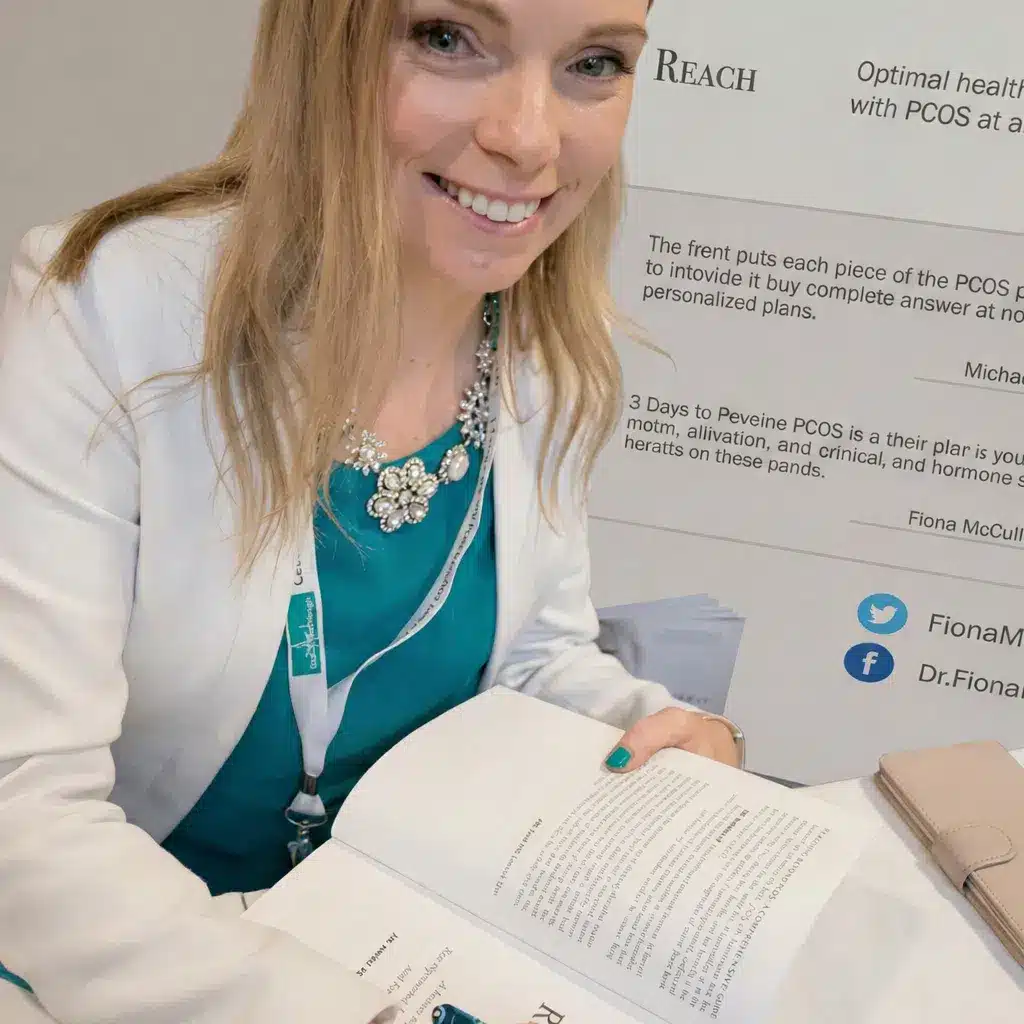
Dr. Fiona McCulloch sees patients with PCOS through her Naturopathic Clinic in Toronto.
Your Periods Stopped, But Your PCOS Didn't
If you’ve had PCOS for most of your adult life and you’ve now gone through menopause, you may have expected your PCOS to become less relevant — or even resolve. For many women, the opposite happens: symptoms persist, metabolic markers shift, and the PCOS conversation with healthcare providers quietly disappears.
Common experiences after menopause with a PCOS history
- You were told — or assumed — that PCOS would go away after menopause, but your symptoms haven’t changed the way you expected
- Hair loss is getting worse, not better — and no one has connected it to your PCOS history
- Unwanted facial or body hair hasn’t improved, even though your hormone levels are lower overall
- Insulin resistance has become harder to manage over the years, despite consistent effort
- Your GP manages your menopause but doesn’t mention your PCOS anymore — as if the diagnosis no longer applies
- You’re concerned about metabolic markers — blood sugar, cholesterol, blood pressure — and wonder whether your PCOS history makes those risks different
These experiences are clinically expected — and they don’t mean your health is declining without recourse. PCOS is a lifelong condition. Some aspects resolve after menopause. Some persist. And some aspects of PCOS may actually work in your favour as you age.
Understanding the full picture — both the risks and the genuine advantages — is what allows you to manage the next phase of your health with clarity rather than either unnecessary fear or false reassurance.
PCOS After Menopause: The Full Clinical Picture
Most resources about PCOS and menopause focus on what gets worse. The clinical reality — drawn from Dr. Fiona McCulloch’s experience with patients managing PCOS through and beyond the menopause transition — is more balanced. There are real risks that benefit from active management, and there are genuine advantages that most women with PCOS have never been told about.
The PCOS Longevity Advantage: What Most Women Don't Know
One of the most underreported aspects of PCOS after menopause is that certain markers associated with healthy aging tend to be higher in women with PCOS than in their peers.
DHEA-S and healthy aging. DHEA-S (dehydroepiandrosterone sulfate) is sometimes referred to as a longevity hormone. Research suggests that higher DHEA-S levels in older adults are associated with better metabolic function and overall health. In Dr. Fiona McCulloch’s clinical experience, women with PCOS tend to have higher DHEA-S levels at older ages than women without PCOS. This is a genuine positive — and it’s one that most PCOS resources don’t mention.
Muscle mass and physical resilience. Women with PCOS may also be able to build and maintain muscle mass for longer than their non-PCOS peers. Muscle mass is one of the strongest predictors of healthy aging — it supports bone density, metabolic function, balance, and functional independence. For women with PCOS, this is an advantage worth understanding and supporting.
In Dr. Fiona McCulloch’s words: with healthy lifestyle and habits, women with PCOS can age in an extremely healthy way. The PCOS picture after menopause is not one of inevitable decline — it is a picture with both challenges and genuine advantages. The management goal is to mitigate the risks and support the benefits.
Two Things Many Women With PCOS Get Wrong About Menopause
In Dr. Fiona McCulloch’s clinical experience, two beliefs come up consistently among patients with PCOS who are navigating menopause — and both turn out to be incorrect.
Misconception: "Menopause comes early with PCOS"
Many women with PCOS expect menopause to arrive earlier than average. Clinically, the opposite tends to be true — women with PCOS generally reach menopause later than their peers. This is related to higher ovarian reserve, which extends the reproductive window. For many patients, this is genuinely good news.
Misconception: "Weight gain in menopause is inevitable and worse with PCOS"
Weight changes during menopause are common — with and without PCOS. But the belief that PCOS makes menopausal weight gain unmanageable is not what clinical experience supports. With targeted approaches to insulin resistance management, patients with PCOS can do very well with weight management over the long term. The concern is understandable, but it responds well to the right management approach.
What Changes, What Stays, and What's New After Menopause
PCOS does not resolve at menopause — but it does change. Understanding which symptoms persist, which improve, and which new considerations emerge is essential for informed management.
What typically improves
- Menstrual irregularity resolves. The cycle irregularity that may have defined your PCOS experience for decades is no longer relevant once periods have stopped. Many women with PCOS actually notice cycles becoming more regular in the years leading up to menopause.
What typically persists
- Hirsutism — Unwanted facial and body hair growth tends to continue because testosterone levels, while much lower than before menopause, remain higher in women with PCOS than in their non-PCOS peers.
- Androgenetic alopecia — Hair thinning and loss at the crown and temples increases in all women after menopause. In women with PCOS, the higher androgen levels can make this more pronounced.
- Oily scalp and seborrheic dermatitis — Androgen-related skin and scalp conditions may persist in women with higher-than-normal post-menopausal androgen levels.
- Insulin resistance — This tends to increase over time unless actively managed. The loss of estrogen’s protective metabolic effects after menopause can accelerate this pattern.
What may emerge
- Thyroid dysfunction — Some women with PCOS develop thyroid issues during or after menopause. Thyroid assessment is an important part of comprehensive post-menopausal care when there is a PCOS history.
- Increased inflammation — Women with PCOS have been found to have higher levels of inflammation, which is linked to insulin resistance and cardiovascular health. This becomes a more significant monitoring consideration after menopause.
The key point: persistent symptoms are manageable, not signs of inevitable deterioration. Understanding which symptoms you’re experiencing — and why — is the starting point for a targeted management approach.
Hormone Therapy After Menopause: PCOS-Specific Considerations
Long-Term Metabolic Health: What to Monitor and Why
One of the most common questions from post-menopausal women with a PCOS history is whether standard menopause hormone replacement therapy is appropriate for them — or whether their PCOS changes the conversation. The answer is that PCOS-specific considerations do exist, and they’re worth understanding.
Anti-androgenic progesterone approaches. For women with PCOS who are dealing with androgenetic alopecia or skin symptoms after menopause, an anti-androgenic approach with progesterone may be particularly relevant. This is one example of how PCOS-specific HRT differs from standard menopause protocols — the progesterone type and approach can be selected with the androgen picture in mind.
Liver function assessment. Fatty liver disease is more common in women with PCOS. Because the liver plays a central role in hormone metabolism, assessing liver function is an important consideration before and during hormone therapy. This ensures that prescribed hormones are being properly metabolized.
Thyroid function verification. Thyroid health affects how the body processes hormones. For women with PCOS — who have an elevated risk of thyroid dysfunction after menopause — verifying thyroid function is part of a thorough pre-HRT assessment.
Multiple pathways, patient choice. Dr. Fiona McCulloch often recommends bioidentical hormone replacement therapy for patients with PCOS in this phase of life. However, not every patient chooses this approach. Nutrition, lifestyle modifications, and targeted supplementation can also support metabolic health — addressing insulin resistance, elevated lipids, and other cardiovascular risk factors. The right approach depends on the individual patient’s picture, preferences, and health goals.
PCOS-related insulin resistance and the loss of estrogen’s protective metabolic effects after menopause create a cardiometabolic picture that benefits from ongoing monitoring. This is not a cause for alarm — it is a clinical reality that responds well to proactive management.
Insulin resistance trajectory. Insulin resistance tends to increase over time in women with PCOS, and menopause can accelerate this pattern. Regular assessment of insulin markers, blood sugar, and HbA1c helps track the trajectory and guide management decisions. With targeted approaches — whether through bioidentical hormone therapy, nutrition, lifestyle, or supplementation — clinical experience shows that patients can manage insulin resistance effectively over the long term.
Cardiovascular markers. Heart disease risk is elevated for women with PCOS after menopause. Monitoring blood pressure, lipid panels, and inflammatory markers provides the clinical information needed to manage this risk proactively. Assessment is the foundation — not a source of anxiety.
Liver health. Fatty liver disease is common in women with PCOS and can be identified through lab testing. Supporting liver function is relevant both for metabolic health and for ensuring that any prescribed hormones are properly metabolized.
In Dr. Fiona McCulloch’s practice, the management approach after menopause shifts from cycle-focused care to metabolic, cardiovascular, and whole-body health — including brain health, gut health, and the broader elements that support healthy aging. This shift in focus reflects the changing clinical picture, not a reduction in the importance of PCOS-informed care.
What to Expect: Assessing PCOS After Menopause
If you’re looking for a practitioner who understands PCOS as a lifelong condition — not just a reproductive diagnosis — here’s what a thorough post-menopausal assessment typically involves.
Detailed History Review
Comprehensive Testing — Metabolic, Hormonal, and Organ Health
Based on the initial assessment, targeted testing is ordered. A comprehensive post-menopausal PCOS panel may include insulin resistance markers, blood sugar and HbA1c, lipid panel, liver function assessment (fatty liver screening), thyroid function, hormonal markers (testosterone, DHEA-S), and inflammatory markers. The goal is to build a clear picture of where you stand — metabolically, hormonally, and in terms of organ health — so management decisions are based on actual clinical data.
Individualized Management Plan
Once results are reviewed, a management plan is developed based on your specific picture. This may include PCOS-specific hormone therapy considerations (including anti-androgenic progesterone approaches if relevant), metabolic support for insulin resistance, cardiovascular risk management, and support for brain health, gut health, and healthy aging. If the assessment suggests that conventional specialist care would add value, that should be discussed openly.
Ongoing Monitoring and Adjustment
Post-menopausal PCOS management is ongoing — not a one-time assessment. Follow-up visits track metabolic markers, monitor treatment response, and adjust the plan as your clinical picture evolves. The goal is a long-term management partnership that keeps pace with your health.
If you are in Ontario: For women whose primary concern is PCOS management after menopause, our PCOS practice provides comprehensive assessment that accounts for the post-menopausal clinical picture. For women navigating menopause who also have a PCOS history, our menopause and perimenopause program includes this evaluation as part of a broader hormonal and metabolic assessment.
Common Questions About PCOS After Menopause
Does PCOS go away after menopause?
No. PCOS is a lifelong condition that evolves over time but does not resolve at menopause. After menopause, women with PCOS still tend to have higher testosterone levels than their non-PCOS peers — though these levels are much lower than they were before menopause. Insulin resistance typically persists and may increase over time, and cardiovascular risk factors deserve ongoing attention.
However, the picture is not purely negative. DHEA-S — sometimes called a longevity hormone — tends to be higher at older ages in women with PCOS. Muscle mass can also be maintained for longer. With healthy habits and proper management, women with PCOS can age in an extremely healthy way.
The key is understanding which aspects of PCOS are still clinically relevant for you and building a management approach that reflects the current picture — not the one from your reproductive years.
What PCOS symptoms persist after menopause?
The symptoms that commonly persist include:
- Hirsutism — unwanted facial and body hair, because testosterone remains comparatively higher
- Hair thinning (androgenetic alopecia) — increases in all women after menopause, but can be more pronounced with PCOS’s higher androgen levels
- Oily scalp and skin conditions — including seborrheic dermatitis, related to ongoing androgen patterns
- Insulin resistance — tends to increase over time, especially once estrogen’s protective metabolic effects are no longer present
What typically improves: menstrual irregularity resolves (many women with PCOS notice cycles becoming more regular before menopause, and then periods stop entirely). Some women develop thyroid issues or notice increased inflammation in or after menopause — these are worth monitoring as part of comprehensive PCOS care.
Does PCOS affect when menopause starts?
Many women with PCOS expect menopause to arrive early. In clinical experience, the opposite tends to be true — women with PCOS generally reach menopause later than average. This is related to higher ovarian reserve, which extends the reproductive window.
For many patients, learning this is genuinely reassuring. It’s one of several ways the PCOS picture after menopause turns out to be more nuanced — and in some respects more favourable — than expected.
Does PCOS cause more weight gain during menopause?
Weight changes during menopause are common for all women — with and without PCOS. The concern that PCOS makes menopausal weight gain inevitable and unmanageable is understandable, but it’s not what clinical experience supports.
With targeted insulin resistance management — through approaches such as nutritional optimization, lifestyle strategies, supplementation, or bioidentical hormone therapy — patients with PCOS can maintain healthy metabolic function over the long term. Understanding the insulin resistance mechanism is what gives you more options, not fewer.
Is hormone replacement therapy different for women with PCOS?
PCOS-specific considerations can influence how hormone therapy is approached after menopause. These include:
- Anti-androgenic progesterone options — particularly relevant for women dealing with hair thinning or skin symptoms, where an anti-androgenic approach with progesterone may be beneficial
- Liver function assessment — fatty liver disease is more common in PCOS, and the liver’s role in hormone metabolism makes this an important screening step before and during HRT
- Thyroid function verification — thyroid health affects hormone processing, and women with PCOS have elevated thyroid risk after menopause
Not every woman with PCOS needs or chooses hormone therapy. Dr. Fiona McCulloch often recommends bioidentical HRT for patients with PCOS in this phase of life, but nutritional, lifestyle, and supplementation approaches can also effectively support metabolic health. The right approach is individual — and a thorough assessment is what makes that decision informed rather than generic.
What are the long-term health risks of PCOS after menopause?
The areas that deserve ongoing attention include insulin resistance (which can increase the risk of type 2 diabetes over time), cardiovascular health (elevated risk in PCOS, compounded by the loss of estrogen’s protective effects), fatty liver disease (common in PCOS and relevant to metabolic and hormonal health), and chronic inflammation (linked to both insulin resistance and cardiovascular risk).
These are real clinical considerations — but they are known, understood, and manageable with proper monitoring. Regular assessment of metabolic markers, liver function, and cardiovascular indicators provides the information needed to manage these risks proactively.
And the picture is genuinely mixed: DHEA-S levels associated with longevity tend to be higher in women with PCOS, and muscle mass can be maintained longer. The management goal is to mitigate the risks while supporting the advantages.
Can a naturopath help with PCOS after menopause, or do I need an endocrinologist?
In Ontario, naturopathic doctors with appropriate training are licensed to prescribe bioidentical hormones — including the PCOS-specific protocols discussed on this page. This is part of the regulated scope of practice under the College of Naturopaths of Ontario (CONO).
A naturopathic assessment for post-menopausal PCOS includes comprehensive metabolic and hormonal evaluation, liver function and thyroid assessment, cardiovascular marker review, and individualized management planning — whether that involves hormone therapy, nutritional and lifestyle approaches, or both.
Dr. Fiona McCulloch’s combined background in PCOS (published author, guidelines peer reviewer) and menopause care (program lead) means this assessment is informed by clinical experience at the intersection of both conditions — not just one or the other.
Naturopathic care works alongside your existing healthcare team. If specialist referral would add value, a good naturopathic practice will discuss that openly.
Are You in Ontario?
Dr. Fiona McCulloch sees patients with PCOS through White Lotus Clinic in Toronto, Ontario. If you’re in Ontario and looking for PCOS-informed care that accounts for the menopause transition, two programs are available:
PCOS Program
For women whose primary concern is PCOS management — including how PCOS evolves through perimenopause and after menopause. Comprehensive metabolic, hormonal, and organ health assessment with PCOS-specific treatment planning.
Menopause & Perimenopause Program
For women navigating menopause who also have a PCOS history. This program includes PCOS-informed assessment as part of a broader evaluation — including hormone therapy considerations, metabolic health, and healthy aging support.
Learn more about the menopause program at White Lotus Clinic →
White Lotus Clinic practitioners are licensed to prescribe bioidentical hormone therapy in Ontario, including PCOS-specific protocols such as anti-androgenic progesterone approaches. Naturopathic consultations are covered by many extended health insurance plans.
What Women With PCOS Most Often Want After Menopause
Clarity about what PCOS means now
Understanding which aspects of PCOS are still clinically relevant, which symptoms are expected to persist, and what the metabolic picture actually looks like — so decisions are based on your current reality, not outdated assumptions.
A management plan that reflects your whole picture
A care approach that accounts for decades of PCOS history alongside the post-menopausal hormonal and metabolic picture — not generic menopause care that ignores your PCOS, and not PCOS care that hasn’t evolved past your reproductive years.
Knowing the advantages, not just the risks
Learning that PCOS after menopause is a mixed picture — with genuine advantages like higher DHEA-S and longer muscle-building capacity — rather than just another list of things to worry about.
Feeling like your PCOS history still matters to your practitioner
Working with a clinical team that treats your PCOS as a lifelong condition requiring informed management — not as a diagnosis that expired when your periods stopped.
Agency over the next chapter
Moving from “what’s going to go wrong?” to “what’s my picture, what are my options, and what can I do?” — with clinical information that supports proactive decisions rather than reactive worry.
Individual experiences vary. These reflect common priorities expressed by patients exploring PCOS and menopause care. We cannot guarantee specific outcomes.
Why Understanding Your PCOS Picture After Menopause Matters
Insulin resistance tends to increase over time after menopause unless actively managed. Having a clear picture of your current metabolic markers provides a baseline for ongoing management — and the earlier that baseline is established, the more proactive the approach can be.
Cardiovascular and metabolic markers are most useful when tracked over time, revealing trends rather than isolated snapshots. A comprehensive assessment now creates the foundation for informed management decisions in the years ahead.
The DHEA-S and muscle mass advantages associated with PCOS are assets worth understanding and supporting. Knowing about these advantages — and how to maintain them through nutrition, exercise, and overall health management — adds a dimension to post-menopausal care that most women with PCOS have never been offered.
This isn’t urgency — it’s information. Assessment gives you data. Data gives you options. And options give you agency over the next phase of your health.
If you’re in Ontario, learn more about Dr. Fiona’s PCOS practice at White Lotus Clinic →
Understanding Your Options for Post-Menopausal PCOS Care
Approach | Typical Provider | Focus | Considerations |
|---|---|---|---|
| Standard menopause care | Family physician / GP | General menopause symptom management, hormone therapy consideration | Accessible and familiar; may not connect ongoing symptoms or metabolic changes to PCOS history |
| Endocrinology | Endocrinologist | Hormonal and metabolic assessment | Deep hormonal expertise; PCOS may be deprioritized post-menopause if considered primarily a reproductive condition |
| Naturopathic PCOS and menopause assessment | Naturopathic doctor with PCOS focus + prescribing authority | Combined PCOS + menopause evaluation; metabolic, hormonal, and organ health assessment; PCOS-specific HRT considerations | Addresses the PCOS-menopause intersection specifically; can complement or serve alongside conventional care |
| General naturopathic care | Naturopathic doctor (general practice) | Nutritional, lifestyle, and supplement guidance | Integrative approach; may lack PCOS-specific menopause expertise or prescribing authority for hormonal support |
All approaches can be appropriate depending on your situation and preferences. The goal of this page is to help you understand how your PCOS history fits into your post-menopausal health picture so you can make informed decisions — wherever you choose to receive care.
8 Steps to Reverse Your PCOS
Dr. Fiona McCulloch’s published guide to PCOS management covers the metabolic, hormonal, and inflammatory dimensions of PCOS — including the long-term health considerations that become increasingly relevant after menopause.
2023 International PCOS Guidelines
Dr. Fiona was invited to serve as a peer reviewer for the 2023 International Evidence-Based Guidelines for the Assessment and Management of Polycystic Ovary Syndrome — the global clinical standard for PCOS care. This role is independently verifiable and reflects recognized clinical expertise across the full PCOS lifespan.
25+ Years Clinical Focus — Including PCOS Through Menopause
Dr. Fiona McCulloch has received the fellow of the American Board of Naturopathic Endocrinology designation and has maintained a clinical focus in PCOS and hormonal health since 2001. Her practice includes women who have been managing PCOS from their twenties through menopause and beyond — providing the longitudinal clinical perspective that informs this page. She also leads the clinic’s menopause and perimenopause program.
Learn More
Related reading on this site
If you're in Ontario
